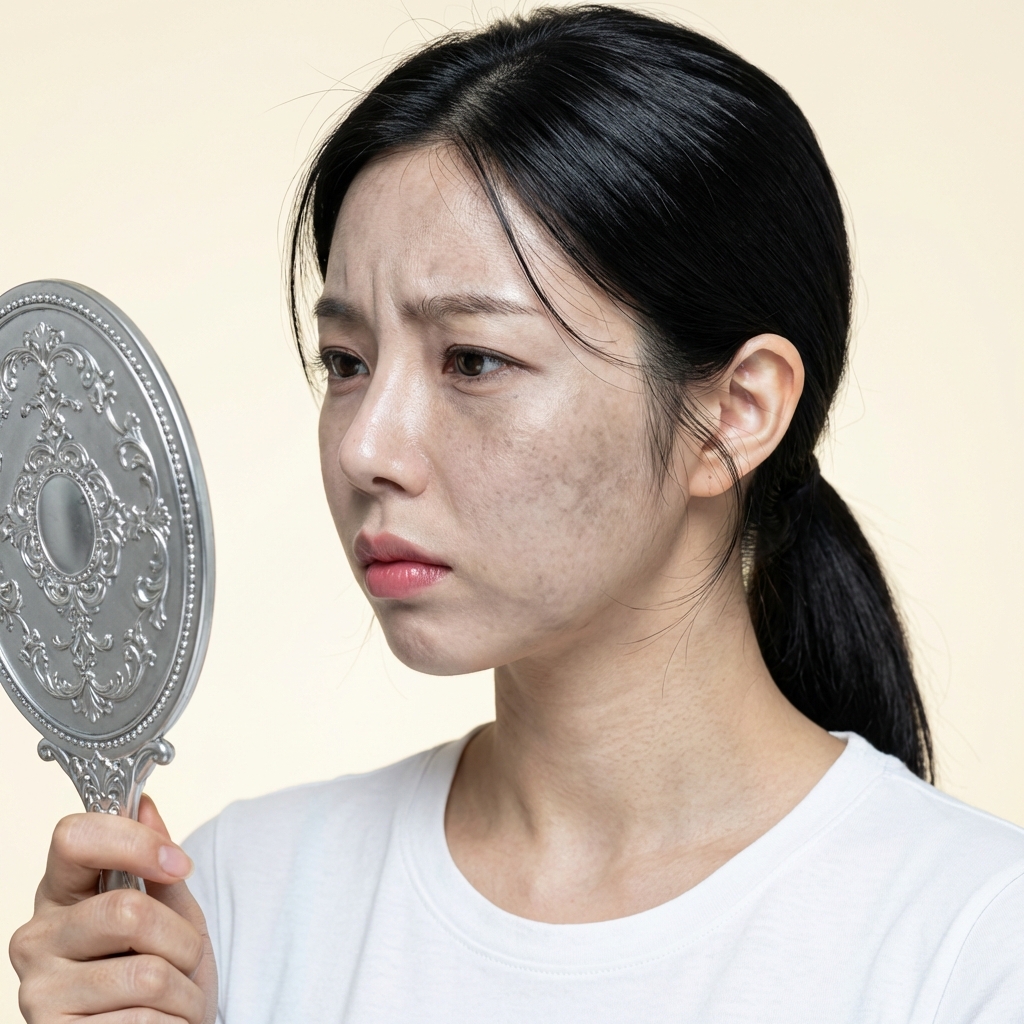
Genetic Pigment
Freckles
Small brown spots that darken with sun exposure, mostly on face, under 3mm

Recommended for these concerns
Genetic Pigment
Small brown spots that darken with sun exposure, mostly on face, under 3mm
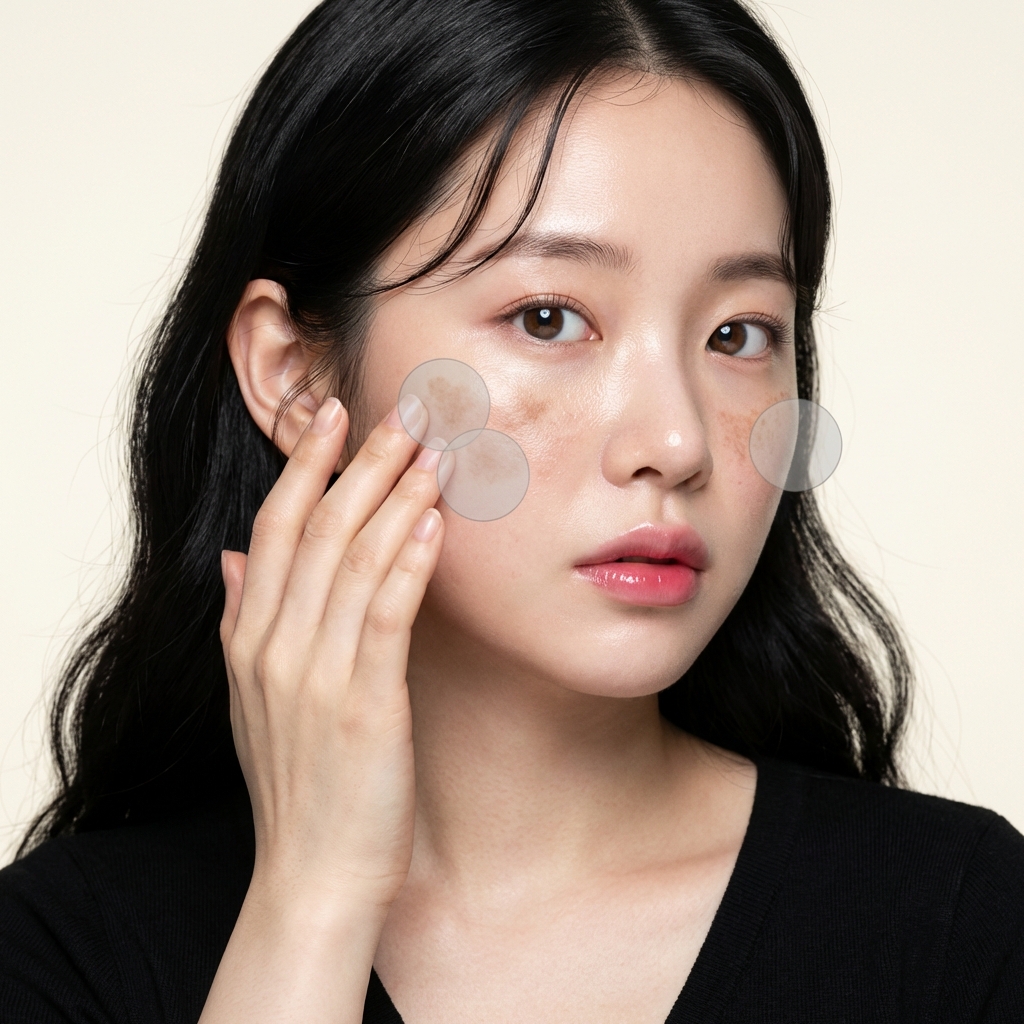
Hormonal Pigment
Brown or grayish-brown patches common in women, worsened by UV, pregnancy, hormones
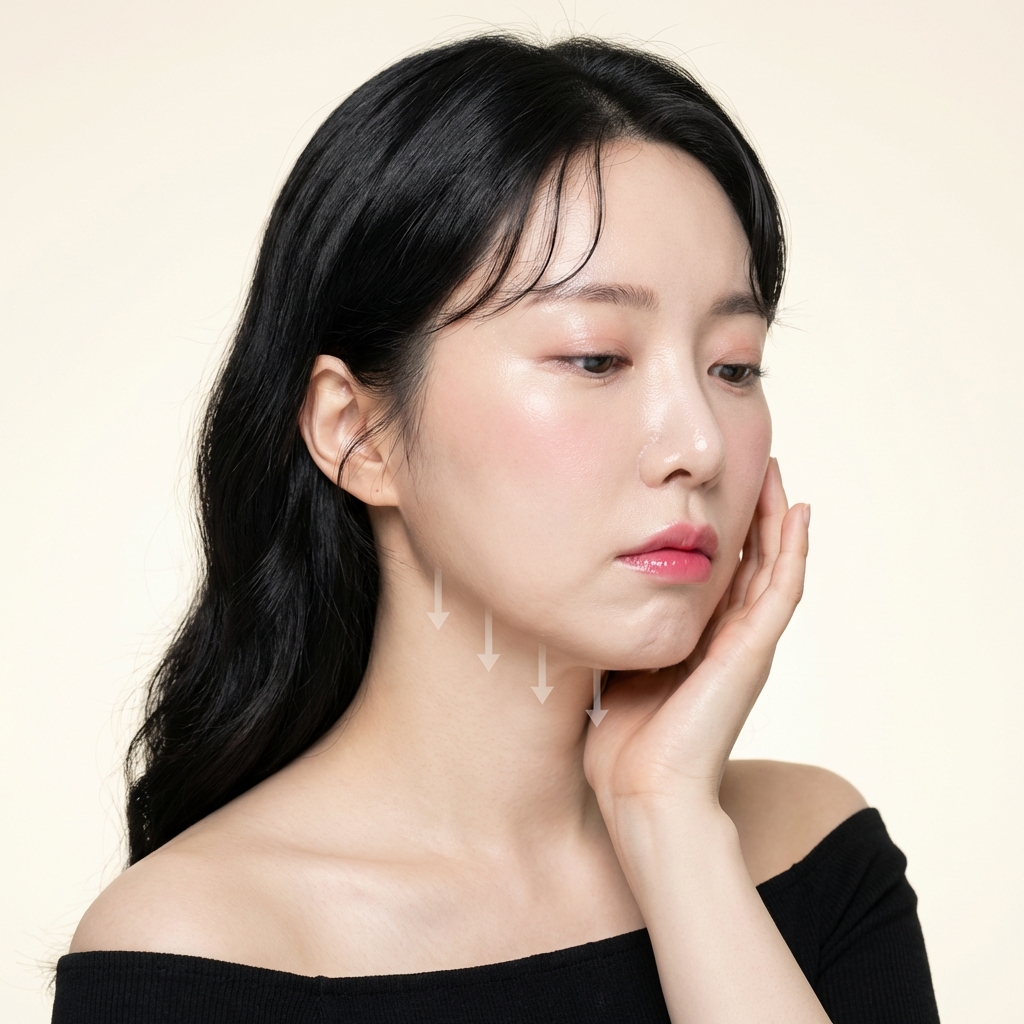
Melanin Proliferation
Caused by excessive melanocyte proliferation, classified as congenital or acquired nevus
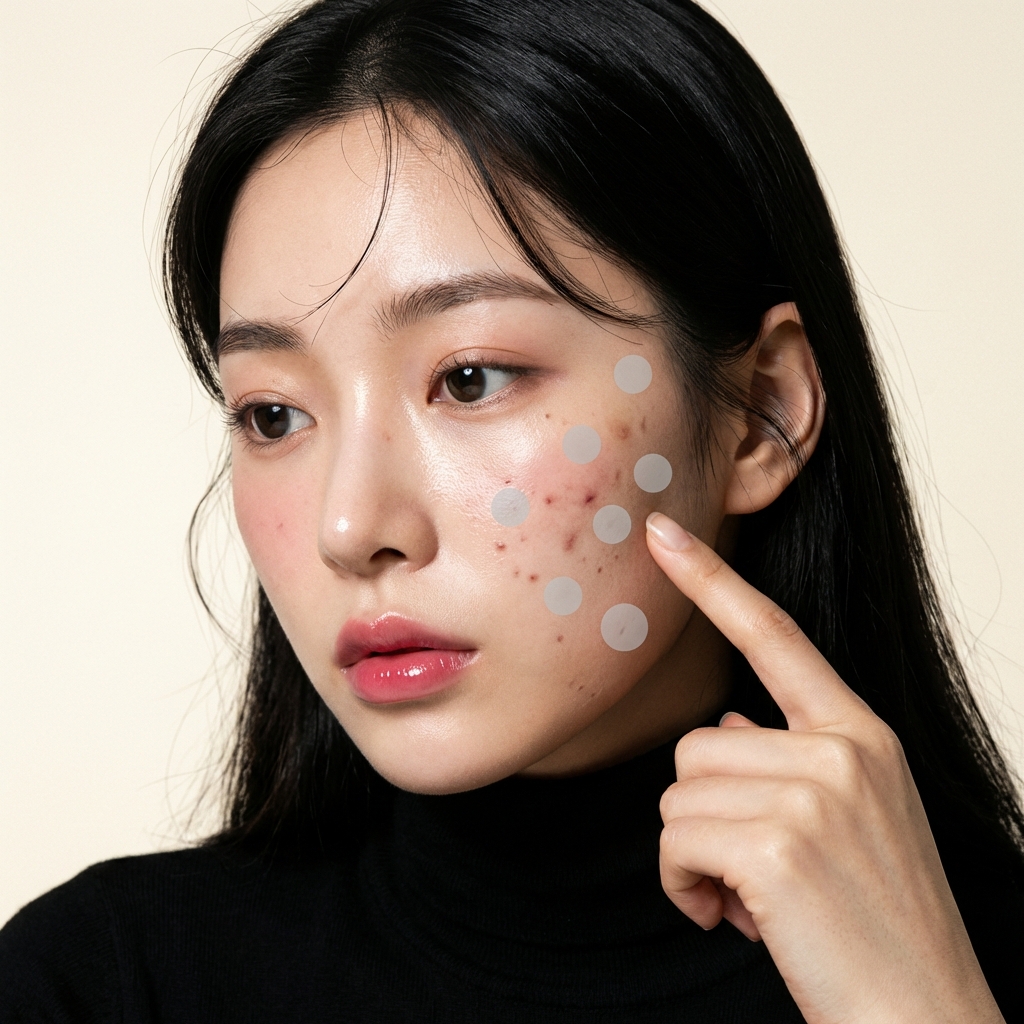
Age Pigment
Flat coin-shaped brown spots, may darken and develop into seborrheic keratosis if neglected
Lasers matched to pigment type help improve melasma, freckles and spots

Using lasers with various wavelengths, it selectively destroys melanin pigment from the epidermis to deep within the dermis, removing it cleanly while reducing damage to surrounding tissue.

Repeatedly applies laser light at wavelengths of 1064nm and 755nm to gradually lighten melasma pigmentation and improve skin tone for a more even appearance without pigmentation.

Freckles and blemishes are removed quickly and cleanly by stimulating pigment in the superficial layer with a laser to form scabs, which then fall off naturally.
Picosecond and Q-switched lasers treat pigment from epidermis to dermis
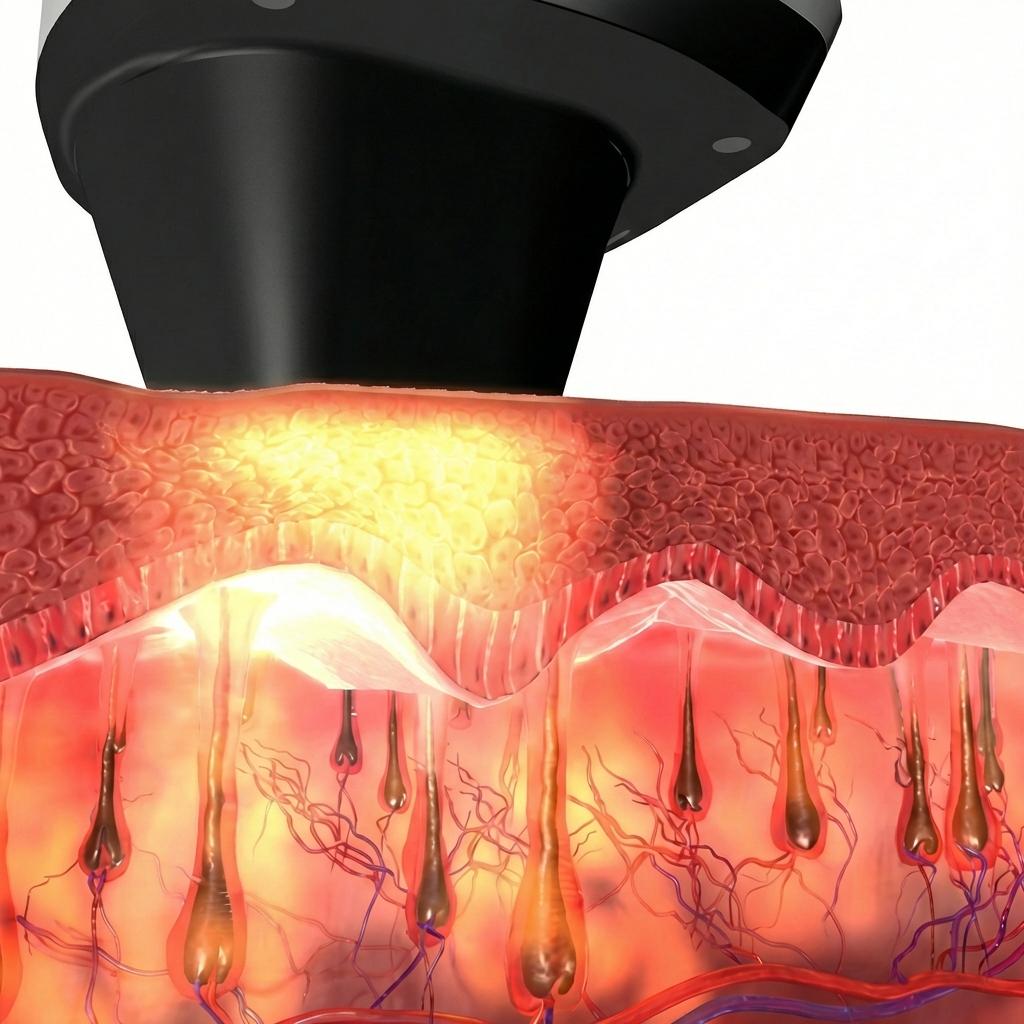
A laser with a specific wavelength is selectively absorbed only by pigment or blood vessels in the skin, precisely treating the target lesion while reducing damage to surrounding tissue.
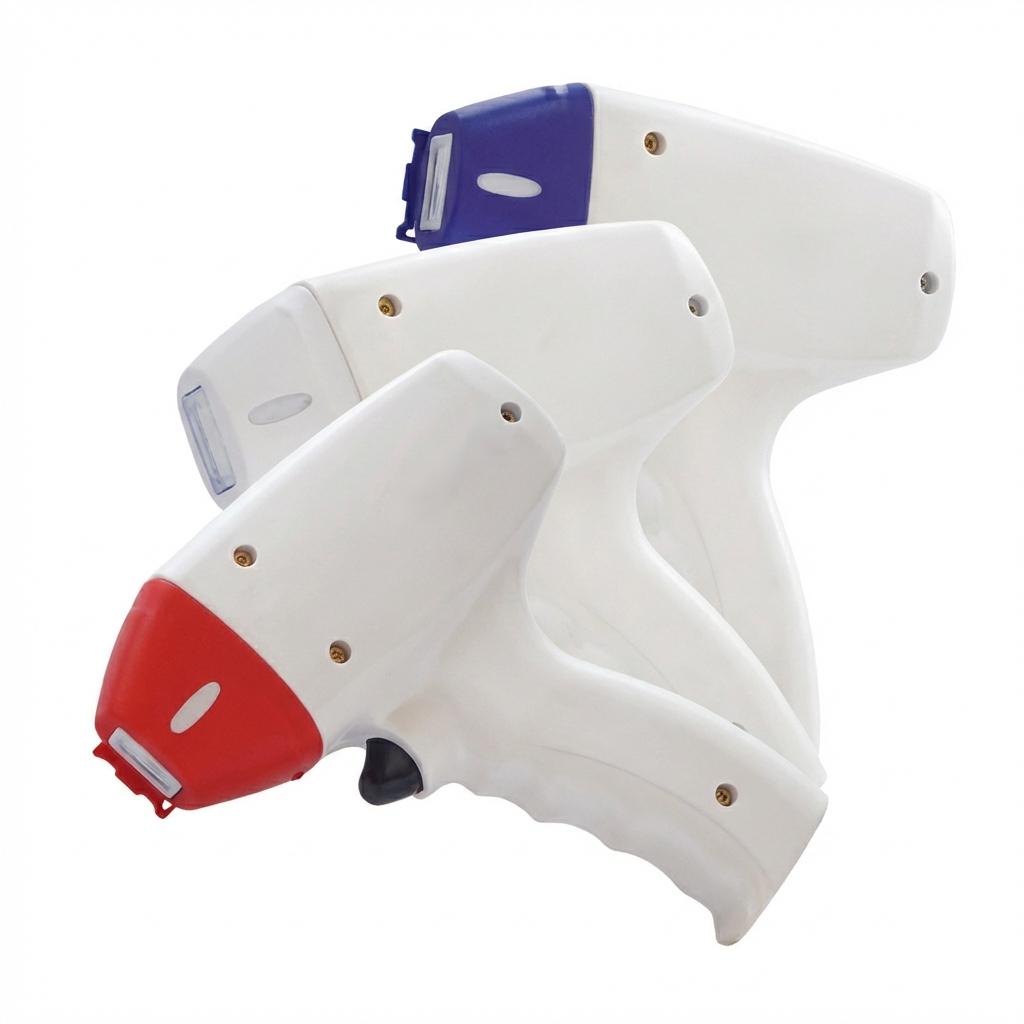
A non-invasive light therapy technology that simultaneously delivers light at multiple wavelengths to improve complex skin concerns such as pigmentation, blood vessels, and skin texture in one treatment.
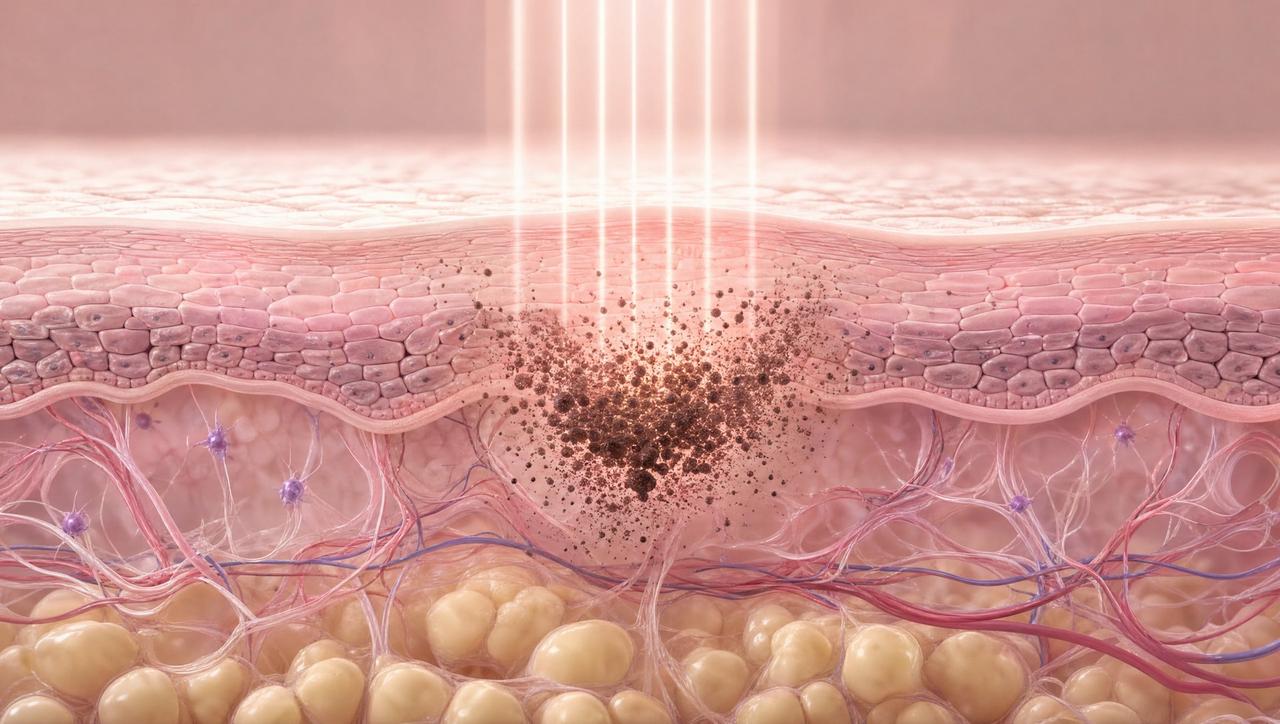
An ultra-short pulse laser operating in picoseconds finely shatters melanin, minimizing thermal damage and the risk of pigmentation.
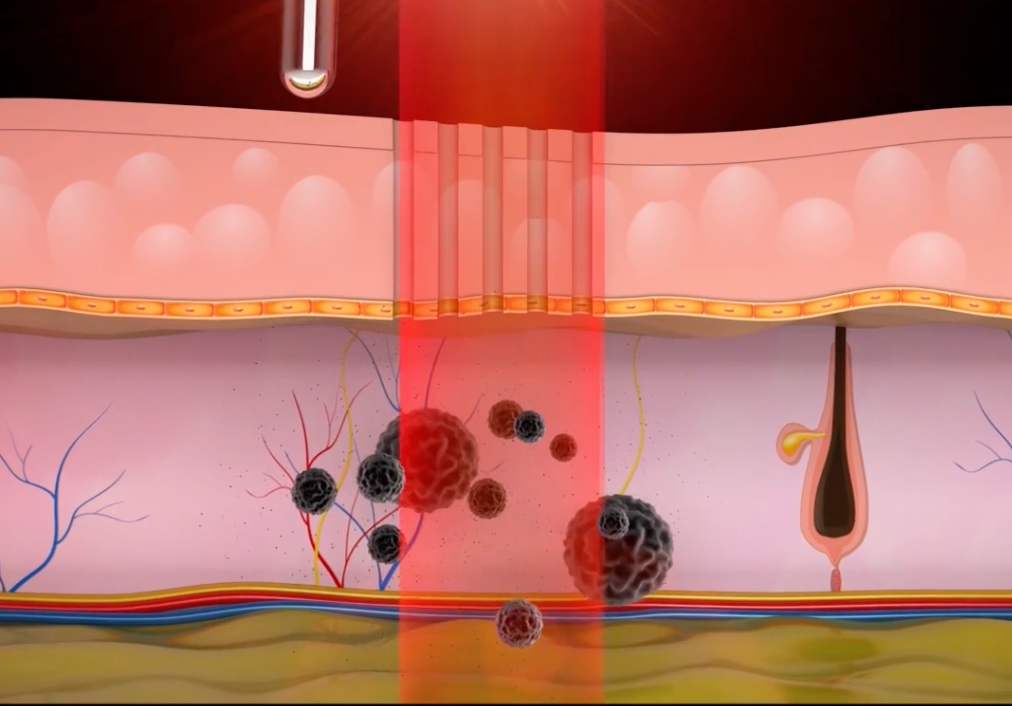
The 1064nm Q-switched laser selectively destroys melanin deep in the dermis to treat deep pigment disorders such as Melasma and nevus of Ota.
1 / 4
Seven devices, including PicoLite, New E-Toning and Diore Dual, are combined
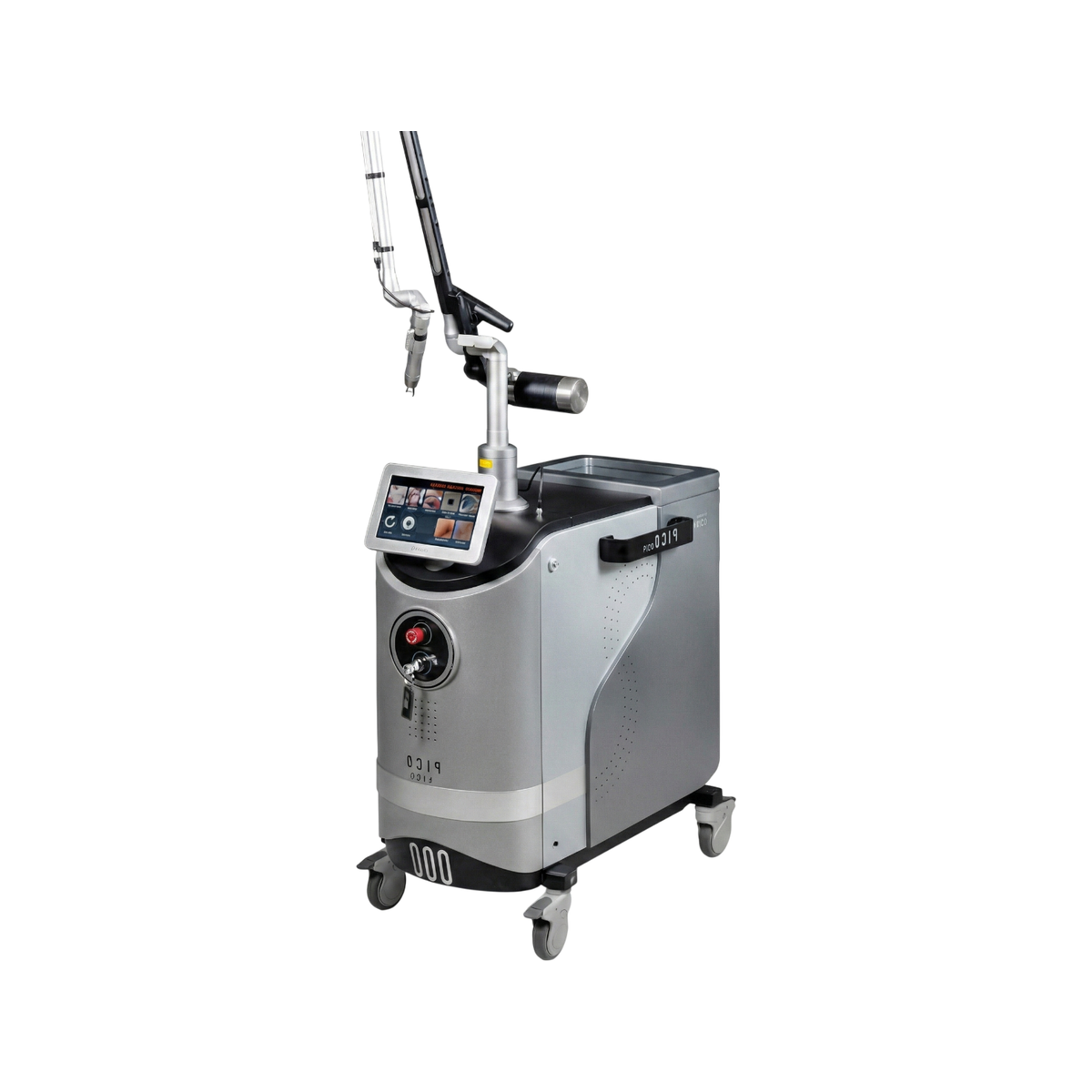
Picosecond Laser
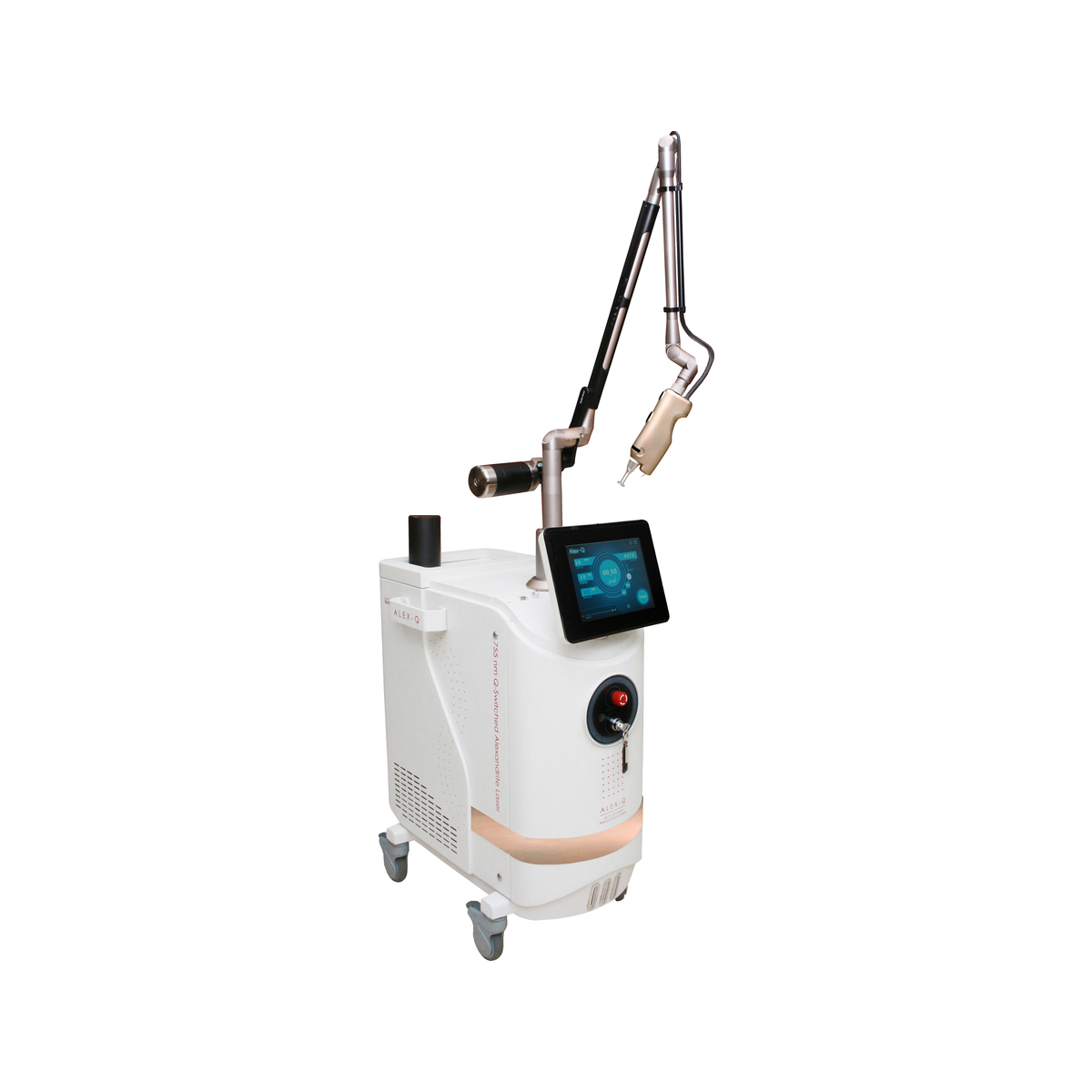
Q-Switched
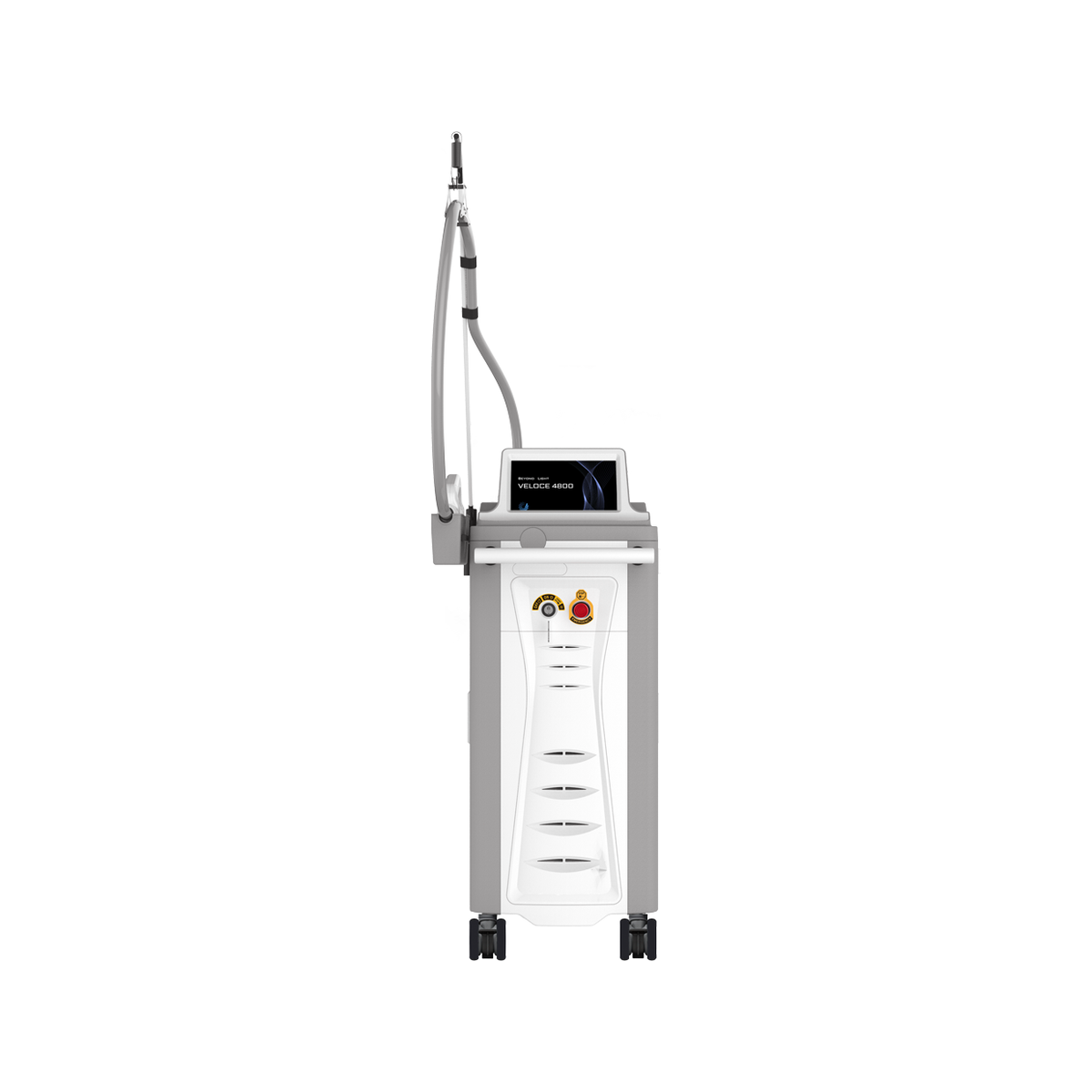
All-in-One IPL
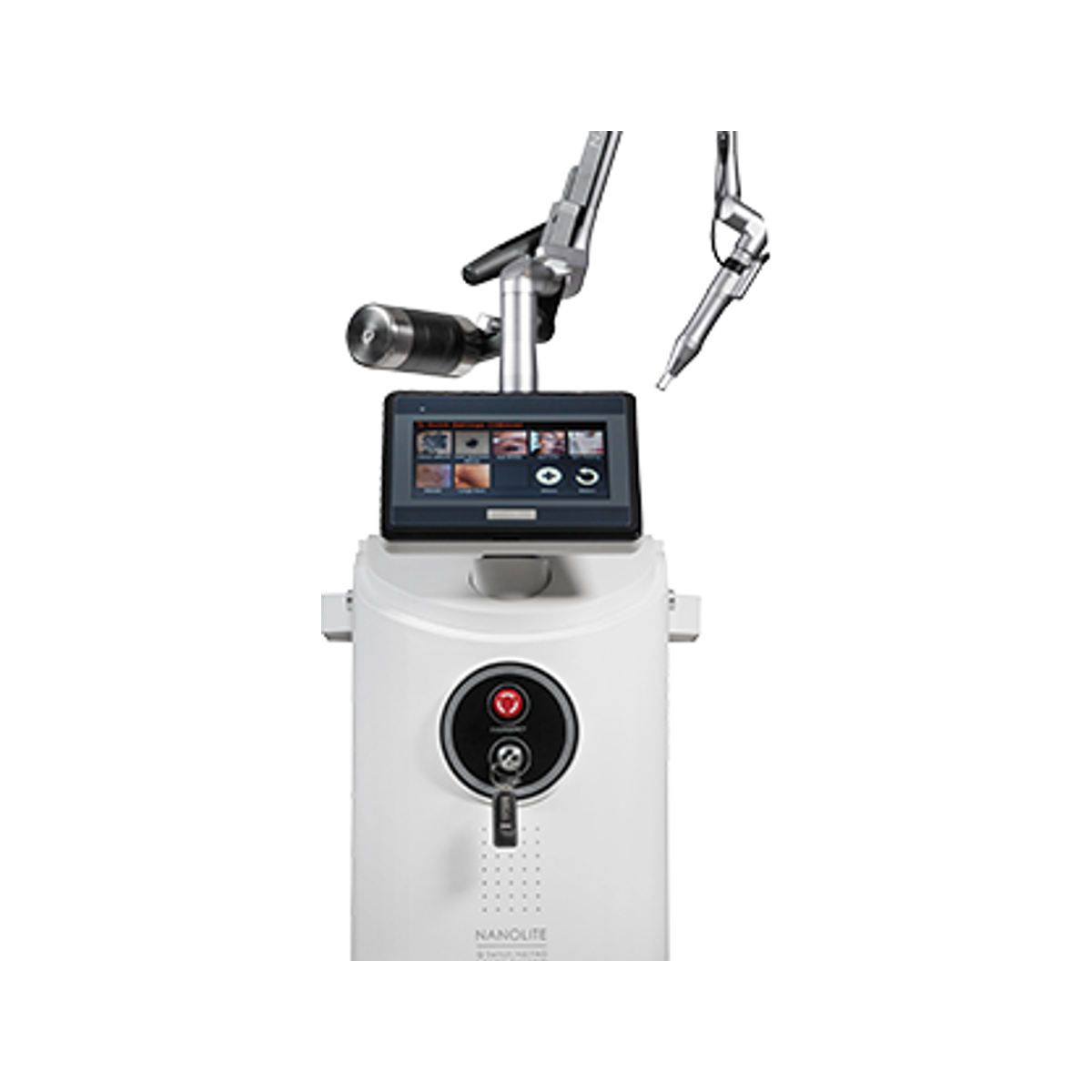
No Downtime
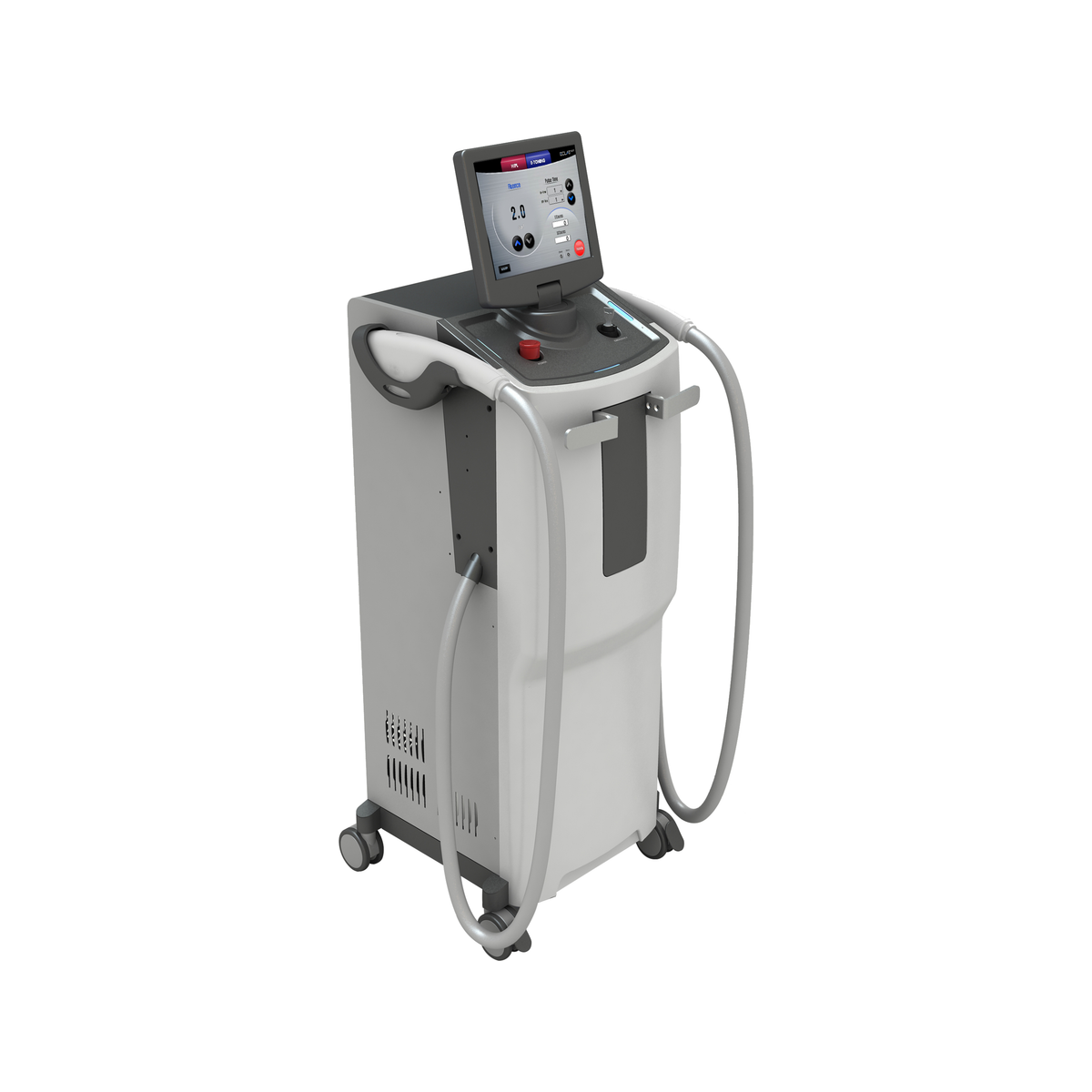
Multi-Toning
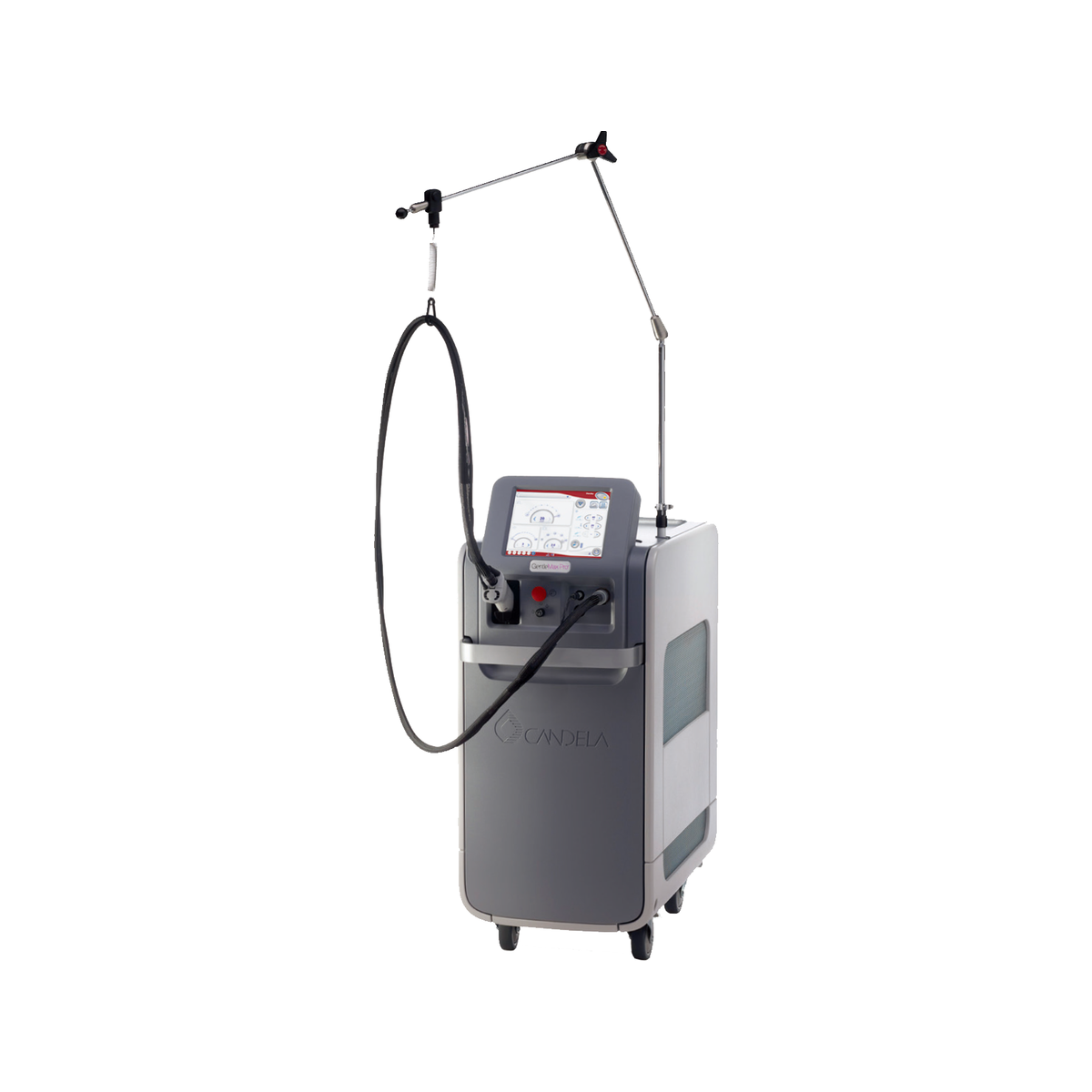
Cooling Device
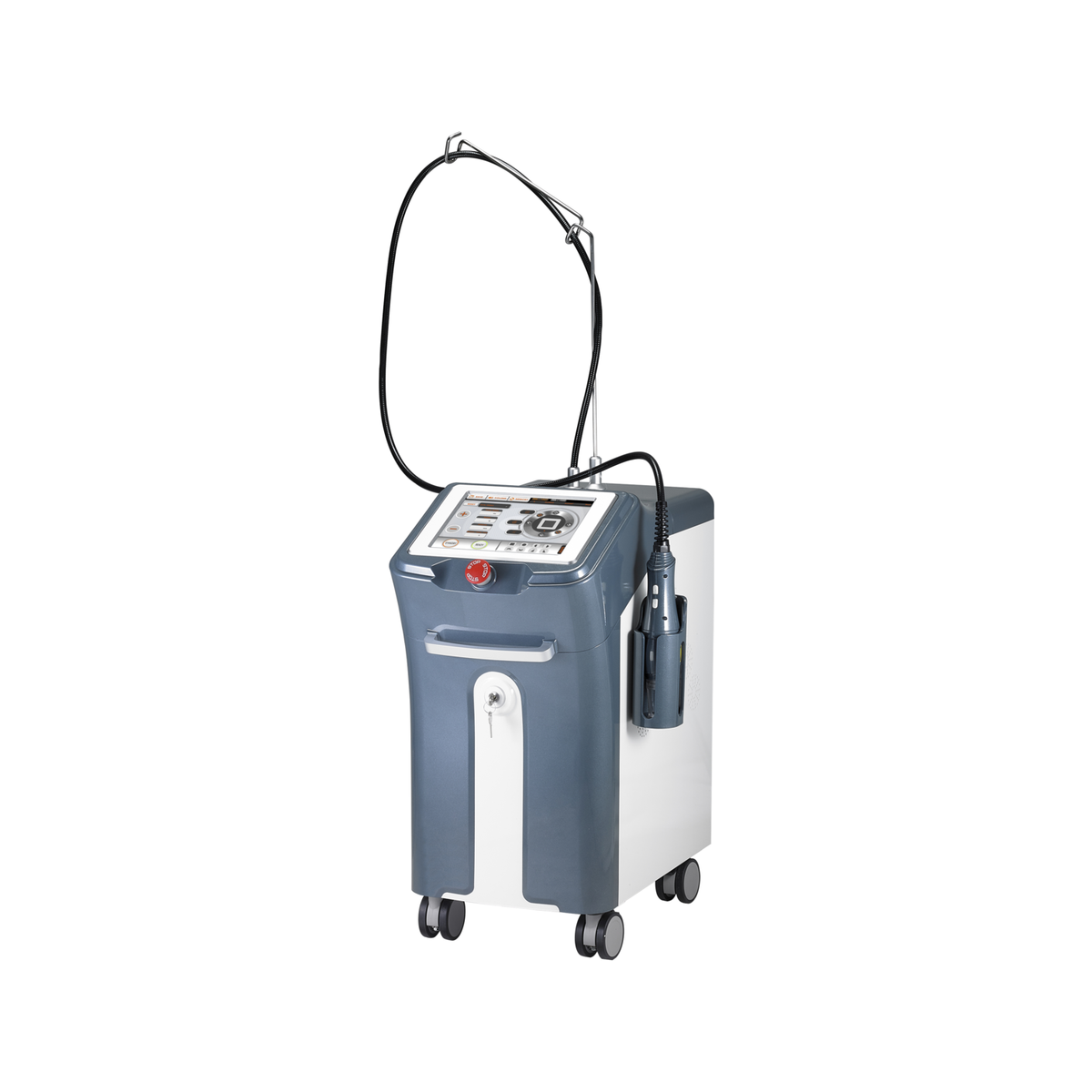
Dual Wavelength
Freckles, melasma, moles, solar lentigines and seborrheic keratoses can look similar. We distinguish them before planning care.
We perform only stable procedures that remain safe even 5 or 10 years later.
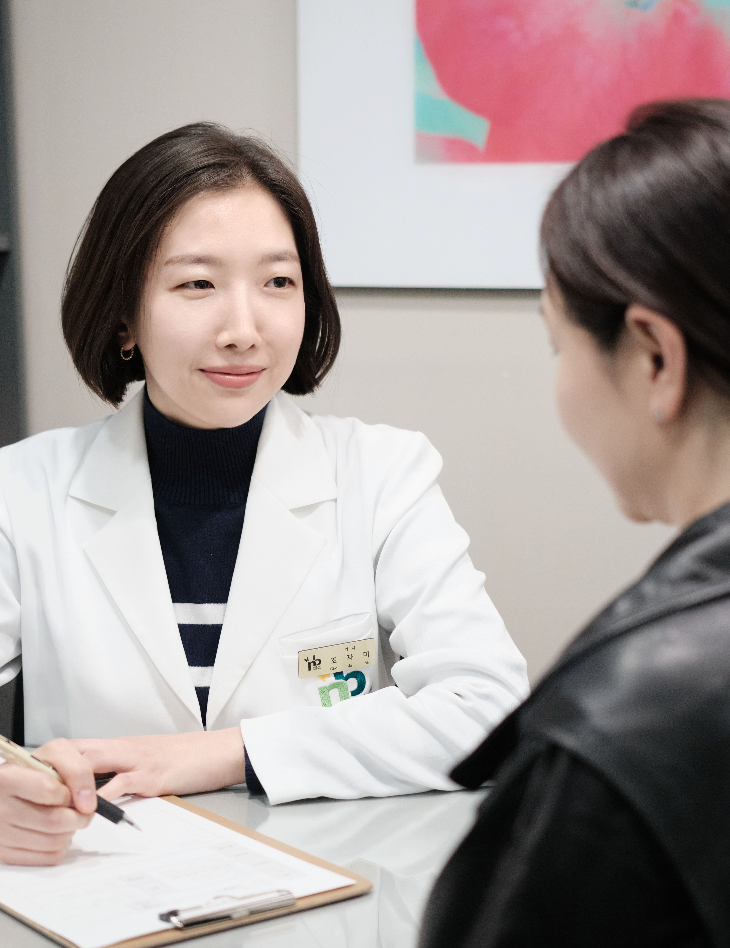
We earn your trust through sincere, honest care.
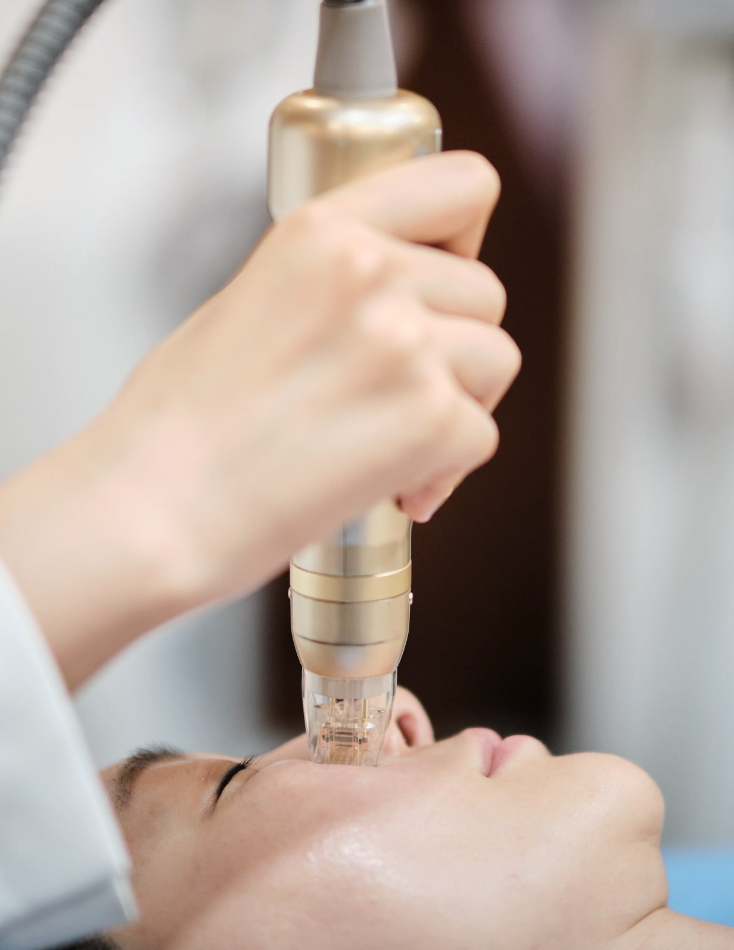
We deliver satisfying results through a high level of medical expertise and service.
Combination treatments with great synergy